Clock Design
7 min read
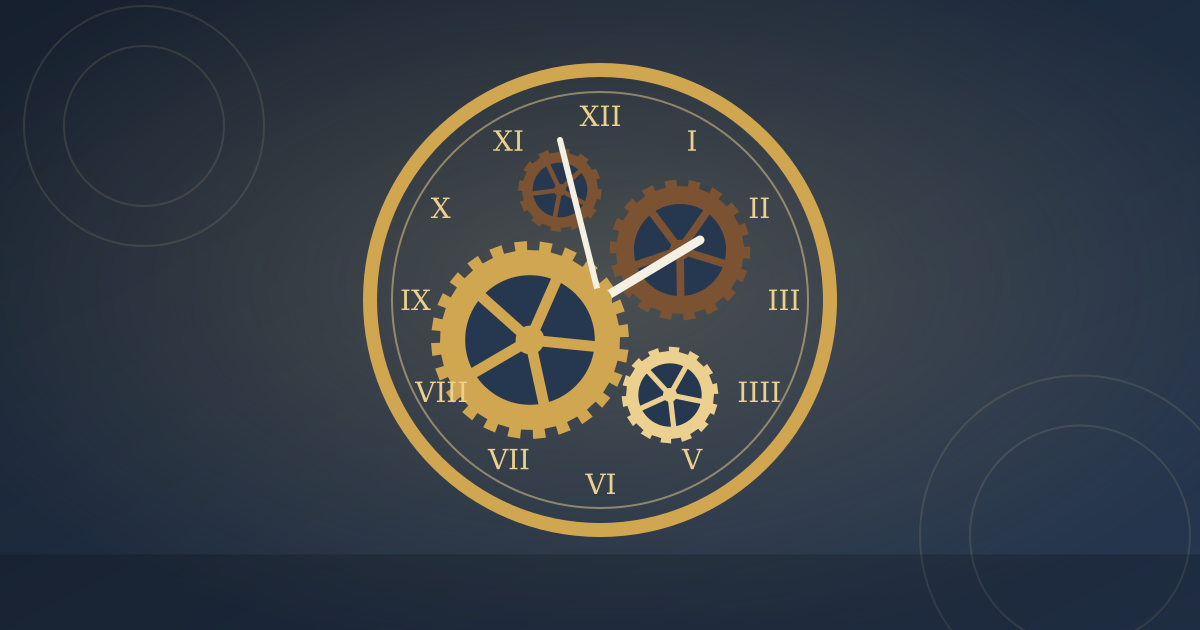
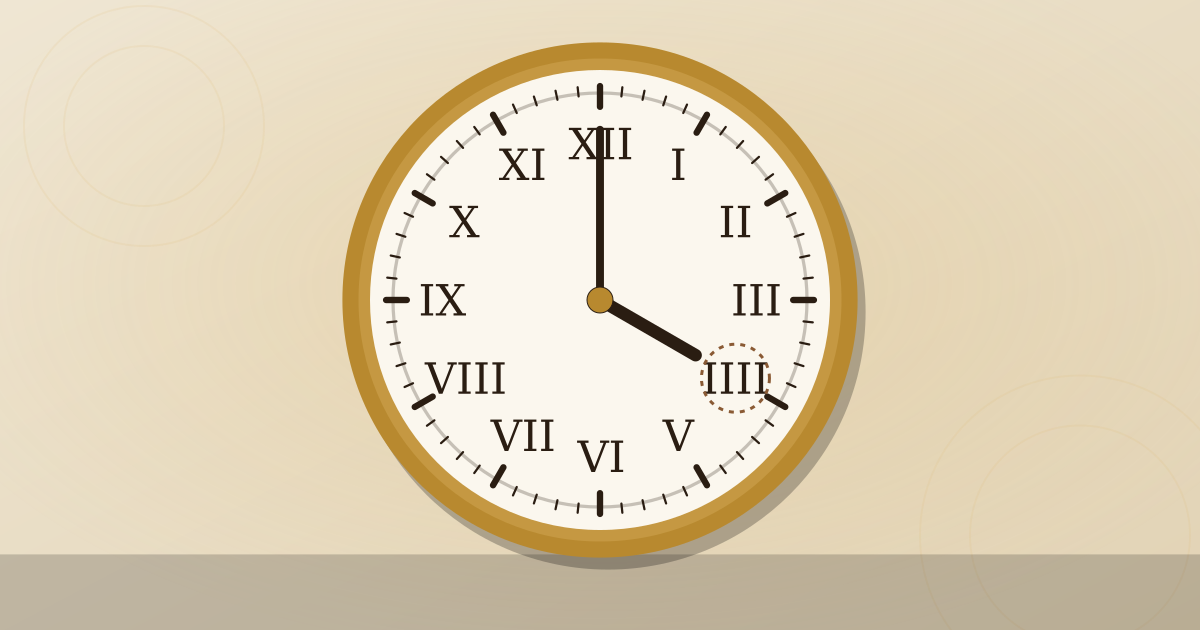
Roman Numeral Clock: Why IIII, How to Read It and How to Style It
The story behind Roman numeral dials, the IIII puzzle, readability tips and how to use a Roman numeral clock in your decor.

Honest buying guides, care advice and a little horological history for Canadian clock lovers. Whether you are choosing your first floor clock or restoring a family heirloom, start here.
The story behind Roman numeral dials, the IIII puzzle, readability tips and how to use a Roman numeral clock in your decor.
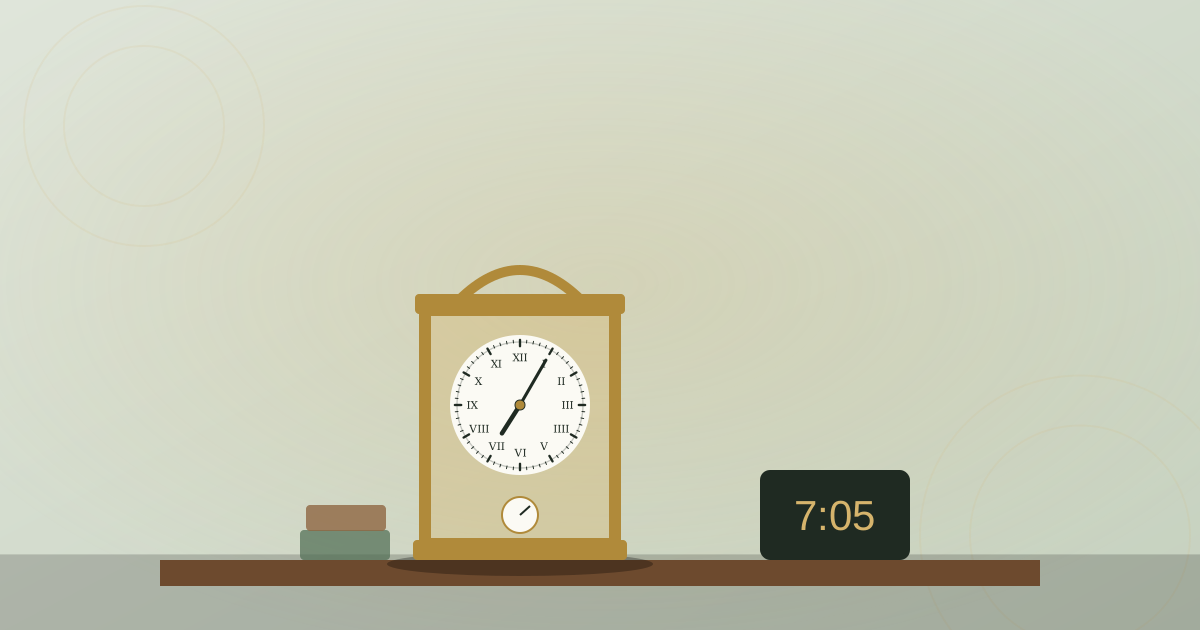
Desk, bedside and carriage clocks explained, with tips on silent movements, materials, alarms and choosing a table clock as a gift.
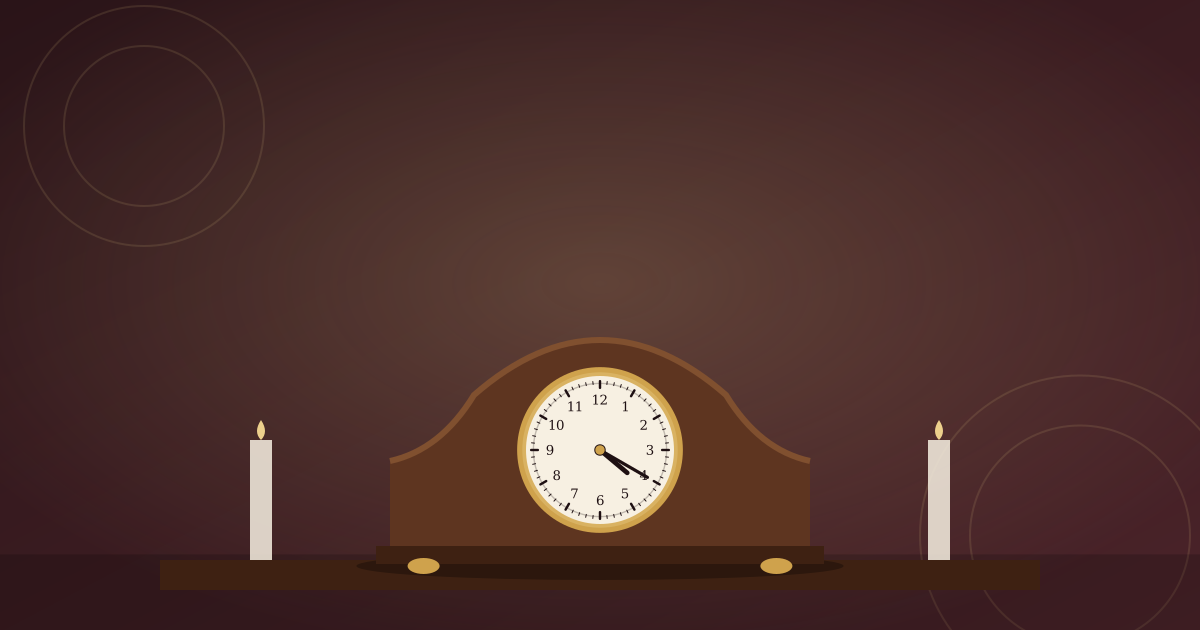
From the tambour 'Napoleon hat' to Art Deco designs, here is how to choose, place and look after a mantel clock.
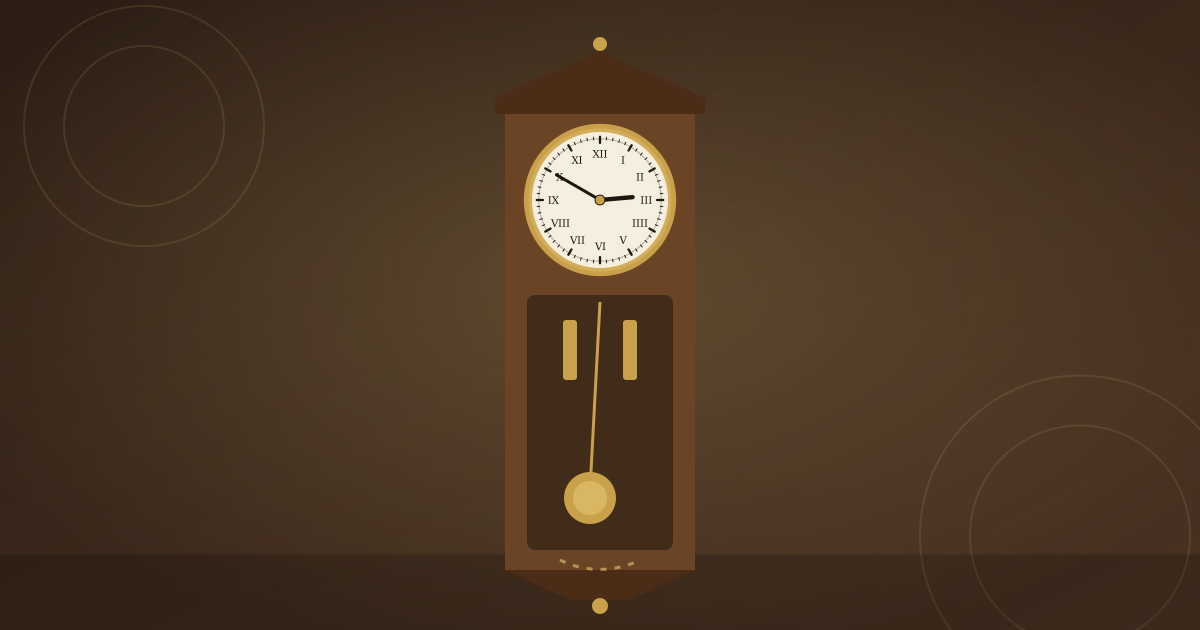
Learn how a pendulum regulates time, how to put a wall clock in beat, adjust its rate and spot a decorative quartz pendulum.
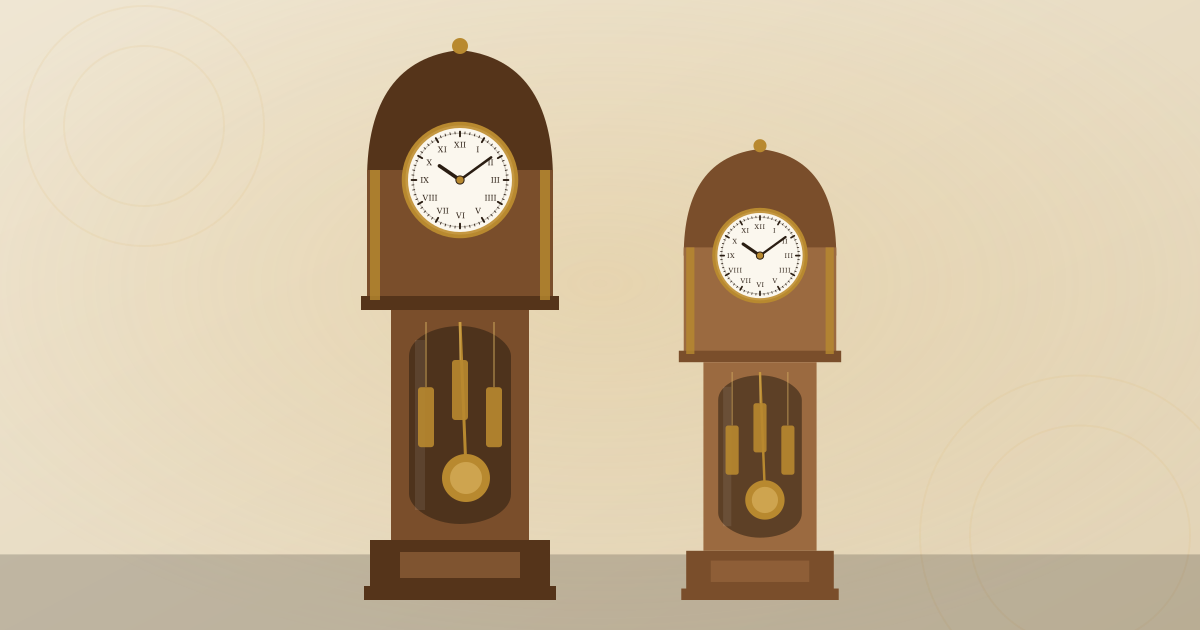
A practical look at Howard Miller floor clocks: where the brand comes from, how to judge a new or used one, and how to keep it running in a Canadian home.
Skeleton movements, wooden gears, artisan pieces, ship's clocks and upcycled designs: a guide to statement wall clocks and how to pick one for a Canadian home.
A practical guide to recognizing, dating and judging an antique longcase clock, plus what to check before you buy and how to move it safely.
Every style of clock has its own character, mechanism and ideal spot in the home. Pick a type to dive into our in-depth guides.
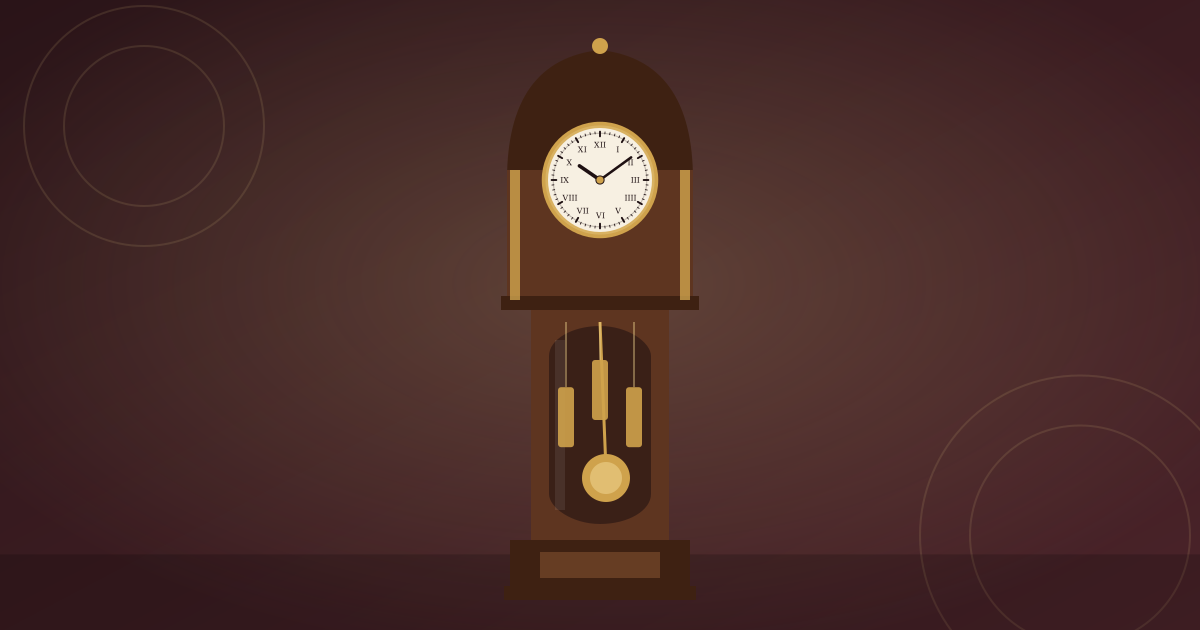
Tall-case floor clocks with pendulums, weights and Westminster chimes. Buying, sizing, antiques and heirloom care.
Read the guide →From oversized statement pieces to pendulum regulators, how to choose, size and hang a wall clock in a Canadian home.
Read the guide →The Black Forest classic explained: how the bird and bellows work, chalet vs carved styles, and buying genuine.
Read the guide →Chiming mantel clocks, carriage clocks and desk clocks: compact timekeepers that make memorable gifts.
Read the guide →Grandfatherclock is an independent blog for people who love clocks, written with Canadian homes in mind. We cover the whole family of domestic timekeepers: the stately grandfather clock standing in a front hall, the cheerful cuckoo clock calling out the hour in a kitchen, the pendulum wall clock ticking in a study and the compact mantel clock chiming above a fireplace.
Our guides focus on practical questions: how a movement works, what to look for before you buy, how to size a clock for your room, how to keep a wooden case happy through a dry prairie winter, and when to call a clockmaker. We also dig into the stories behind the designs, from the origins of the Roman numeral clock dial to the craftsmanship of the Black Forest.
We do not sell clocks, and we write our articles to be useful first. Browse the latest articles or pick a topic above to get started.
They are the same thing. Longcase clock is the traditional British term for a tall, free-standing, weight-driven pendulum clock, while grandfather clock became the popular name after Henry Clay Work's 1876 song My Grandfather's Clock.
Yes, with a little care. Dry winter air from forced-air heating can affect wooden cases, so keep clocks away from heat vents and aim for stable indoor humidity. A well-placed mechanical clock can run reliably for generations.
As a general rule, a mechanical movement benefits from cleaning and oiling by a qualified clockmaker every several years, depending on the movement and its environment. Running a clock with old, dried oil speeds up wear on pivots and bushings.
Quartz clocks are accurate, inexpensive and nearly maintenance-free apart from a battery. Mechanical clocks offer the tick, chime and craftsmanship many people love, but they need winding and periodic servicing. Choose based on how much ritual and character you want.