Wall Clocks Canada: A Practical Buying Guide for Every Room
How to choose a wall clock in Canada: styles, movement types, shopping and shipping across the provinces, and keeping it happy through our seasons.
In this article
Buying wall clocks in Canada should be simple, but the choice of styles, movements and sellers can make it surprisingly confusing. Add cross-country shipping, imports and a climate that swings from humid summers to bone-dry winters, and a few smart decisions up front make a real difference. Here is how we would approach it, room by room and movement by movement.
Start With the Style
The right wall clock is first a decor decision. A clock is often the one object on a wall that people look at several times a day, so it should suit the room.
- Traditional and regulator: wood cases, glass doors and pendulums. Ideal for dining rooms, studies and halls.
- Farmhouse and rustic: distressed wood or metal, large Roman or Arabic numerals. Popular in kitchens and open-plan living spaces.
- Mid-century and modern: clean dials, sunburst designs, minimal numerals. Great in living rooms and offices.
- Schoolhouse: simple, legible and nostalgic, with a short pendulum drop.
- Cuckoo: carved or chalet-style Black Forest clocks, with a character all their own.
- Statement and artisan: skeleton, wooden-gear, nautical or upcycled designs.
If you are drawn to the last group, our post on unique wall clocks in Canada goes into statement designs and how to choose one that will not date. For Black Forest pieces, see our cuckoo clock guide.
Choosing a Movement
The movement decides how accurate the clock is, how much care it needs and whether it ticks.
| Movement | Accuracy | Upkeep | Sound | Best for |
|---|---|---|---|---|
| Quartz (step) | Good | Battery change | Audible tick | Kitchens, offices |
| Quartz (silent sweep) | Good | Battery change | Near silent | Bedrooms, studies |
| Radio-controlled | Very good when synced | Battery change | Varies | Anyone who hates resetting |
| Mechanical spring-driven | Fair to good | Weekly winding, servicing | Tick and chime | Traditional rooms |
| Mechanical weight-driven | Good when regulated | Weekly winding, servicing | Tick and chime | Enthusiasts |
Quartz
Most wall clocks sold today are quartz. They are accurate, inexpensive to run and come in two main types: step movements that tick once a second, and sweep movements where the second hand glides silently. If the clock will hang anywhere you sleep, read or work, choose a sweep movement.
Radio-Controlled
Radio-controlled (sometimes called atomic) clocks receive a time signal and set themselves, including the switch to and from daylight saving time. Reception varies across Canada, depending on distance from the transmitter and the building itself. Concrete condo towers and basements can block the signal; a spot near a window often helps. Check the seller’s notes on time zone settings, since a clock set to the wrong zone will sync perfectly to the wrong time.
Mechanical
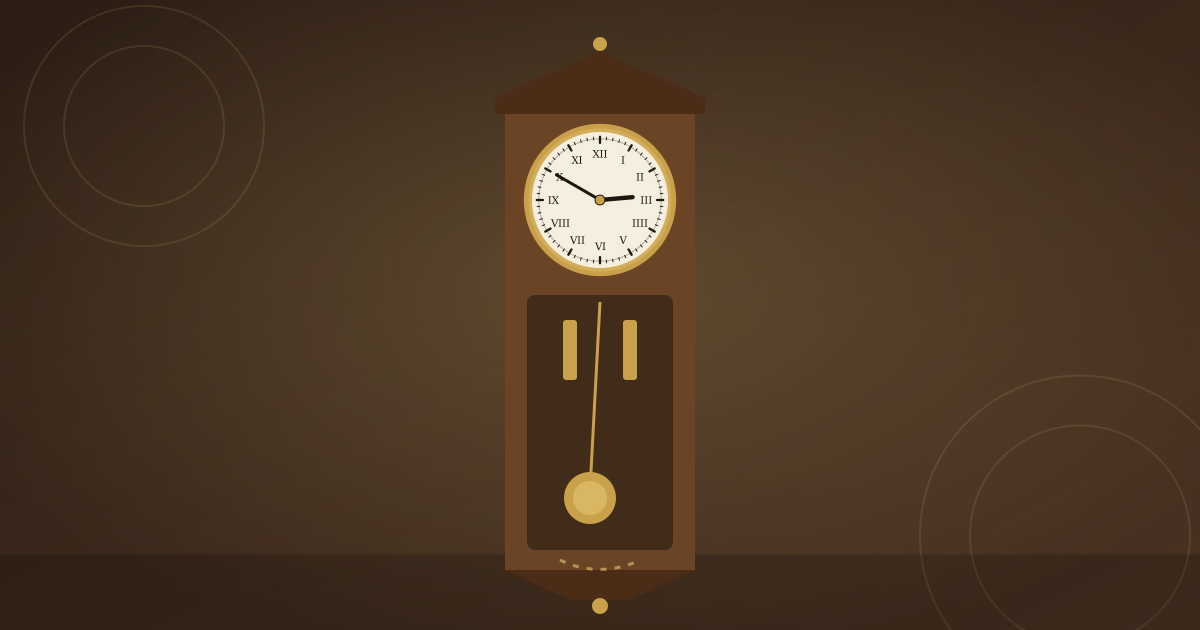
Mechanical wall clocks, including regulators, schoolhouse clocks and wall chime clocks, run on springs or weights and need weekly winding (for 8-day movements) or daily winding (for 1-day movements). They also need servicing every few years. The reward is the sound, the craftsmanship and the pleasure of a clock that does not need a battery. If you like the idea of a traditional, chiming piece on the wall, our guide to the grandfather wall clock covers regulators and wall chime clocks in detail.
Sizing and Placement
Proportion matters more than people expect. A clock that is too small on a big wall looks lost; one that is too big crowds the room.
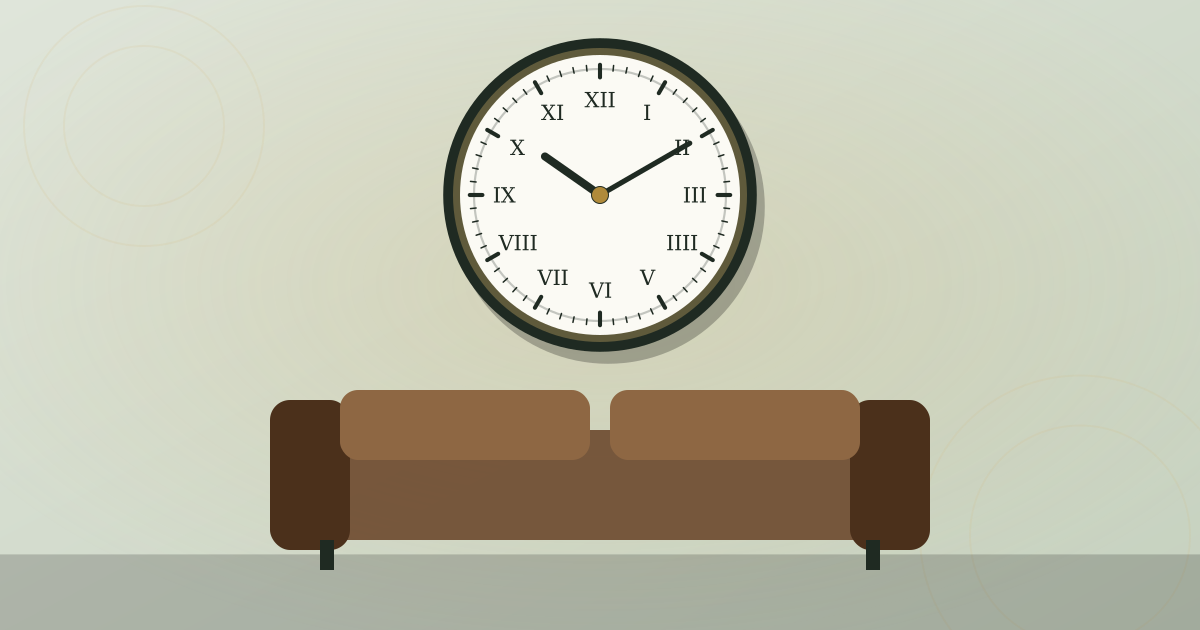
- Above furniture: aim for a clock roughly two-thirds the width of the sofa, console or sideboard below it.
- On a blank wall: go larger than you think; a clock of 60 cm (24 in.) or more often suits a large living-room wall.
- In kitchens: prioritize legibility from across the room and choose a finish that wipes clean.
- In hallways: keep the clock shallow so it does not catch shoulders or bags.
- Height: hang the centre of the dial at roughly eye level in most rooms.
For oversized pieces and mounting into drywall, plaster or brick, see our separate guide to large wall clocks.
Shopping for Wall Clocks in Canada
Canadians buy wall clocks from furniture stores, home decor retailers, independent clock shops, artisans and online sellers both at home and abroad. A few points apply wherever you shop.
Buying From Canadian Sellers
Buying domestically usually means simpler returns, no surprise customs charges and prices already in Canadian dollars. Local independent clock shops have another advantage: they can often service what they sell, which matters a great deal for mechanical clocks. Artisans and makers at craft fairs are also worth a look if you want something handmade. Ask how the clock will be shipped, especially for large or glass-fronted pieces, and whether delivery to rural or northern addresses costs extra.
Buying From Abroad
Many wall clocks are imported, including mechanical clocks from Germany and decor pieces from the United States and elsewhere. When ordering from outside Canada, it is wise to:
- Check whether the listed price includes shipping to Canada, and whether it is in CAD or a foreign currency.
- Ask whether duties, taxes and brokerage fees are collected at checkout or on delivery, as these can add a noticeable amount.
- Confirm the return process; sending a bulky clock back across the border can be expensive.
- Look for a warranty that will be honoured from Canada.
Shipping Across the Provinces
Shipping times and costs vary widely between provinces and territories. For mechanical clocks, make sure the seller secures the pendulum and removes or packs any weights separately. If a delivery arrives in deep winter, bring the box inside and let it warm to room temperature for a few hours before opening, which reduces the risk of condensation on the movement and stress on wood and glass.
Wall Clocks and the Canadian Climate
Our climate is tougher on clocks than many people realize. Forced-air heating dries out homes in winter, while summer humidity can be high, especially in parts of Ontario, Quebec and the Atlantic provinces.
| Clock type | Winter risk | Simple prevention |
|---|---|---|
| Wood-cased | Shrinkage, cracks, lifted veneer | Keep away from vents; consider a humidifier |
| Mechanical | Old oil thickening, drying | Regular servicing |
| Quartz | Weak batteries in cold rooms | Use fresh, good-quality batteries |
| Glass-fronted | Condensation after cold shipping | Let it acclimatize before unpacking |
| Metal | Little risk indoors | Avoid damp exterior walls |
Avoid hanging any clock directly above a heat register, baseboard heater, fireplace or wood stove. Sunny walls can fade dials and finishes. Exterior walls in older homes can get cold and damp, which is hard on wood and on mechanical movements.
Care and Maintenance
A little routine goes a long way:
- Quartz clocks: replace the battery once a year or when the clock starts losing time, and remove a dead battery promptly to prevent leaks.
- Mechanical clocks: wind on a regular schedule, keep the clock level and in beat, and have it serviced every few years.
- All clocks: dust with a soft cloth and avoid spraying cleaners directly onto the case or dial.
For mechanical repairs, look for a local clockmaker. Horological associations, including Canadian NAWCC chapters, are a useful way to find experienced repairers in your area.
Final Thoughts: Choosing Well in Canada
The best approach to wall clocks in Canada is to choose the style for the room first, then the movement for how you live: silent sweep for bedrooms, radio-controlled for convenience, mechanical for character. Size it in proportion to the wall, buy from a seller whose shipping and return terms you understand, and plan for winter dryness. Get those basics right and your clock will be easy to live with for many years.
Frequently Asked Questions
Do radio-controlled wall clocks work everywhere in Canada?
Radio-controlled clocks sold in North America typically sync to a time signal broadcast from the United States, and reception varies with distance, building materials and local interference. Many Canadians get a reliable signal, but some areas or buildings struggle. If it fails to sync, it will usually keep running as an ordinary quartz clock.
Why does my quartz wall clock lose time in winter?
Low battery voltage is the most common cause, and cold rooms can make a tired battery give up sooner. Try a fresh, good-quality battery first. If the hands are heavy or touching the glass, that can also slow the movement.
What size wall clock should I buy for my living room?
A common rule of thumb is to choose a clock roughly two-thirds the width of the furniture it hangs above, or larger on a big empty wall. Mocking it up with paper or painter's tape is the easiest way to check before you buy.
How do I make a ticking wall clock quieter?
The simplest fix is to replace the movement with a silent or sweep quartz movement, which is an inexpensive and widely available part for many clocks. Check the shaft length and hand fittings match before you order one.