Unique Wall Clocks Canada: Statement Designs Worth Hanging
Skeleton movements, wooden gears, artisan pieces, ship's clocks and upcycled designs: a guide to statement wall clocks and how to pick one for a Canadian home.
In this article
A clock is one of the few things on a wall that has to earn its place twice: once as decoration and again every time someone glances at it for the time. If a plain white dial feels like a missed opportunity, unique wall clocks in Canada range from exposed clockwork and wooden gears to ship’s clocks, map dials and pieces made from old records. Below we look at the main types of statement clocks, where to find them, and how to choose one that suits your home rather than just surprising it.
Skeleton Clocks: Clockwork on Display
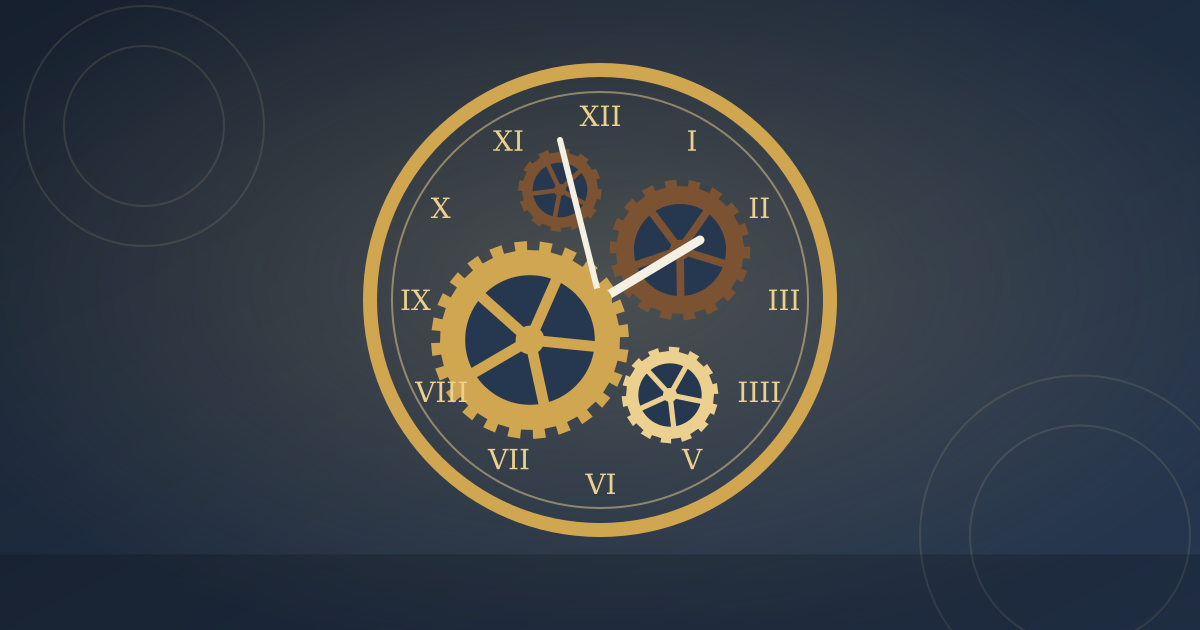
A skeleton clock removes most or all of the dial and plates so you can see the movement working. The gears, escapement and often the pendulum are the decoration. Traditional skeleton clocks were mantel pieces under glass domes, but wall-hung versions are now common.
There are two broad kinds:
- Mechanical skeleton clocks, with a genuine spring or weight-driven movement. They tick, need winding and are endlessly watchable.
- Decorative skeleton-style clocks, usually quartz, with non-working gears arranged around the dial for effect. They look the part at a lower price but don’t do the work.
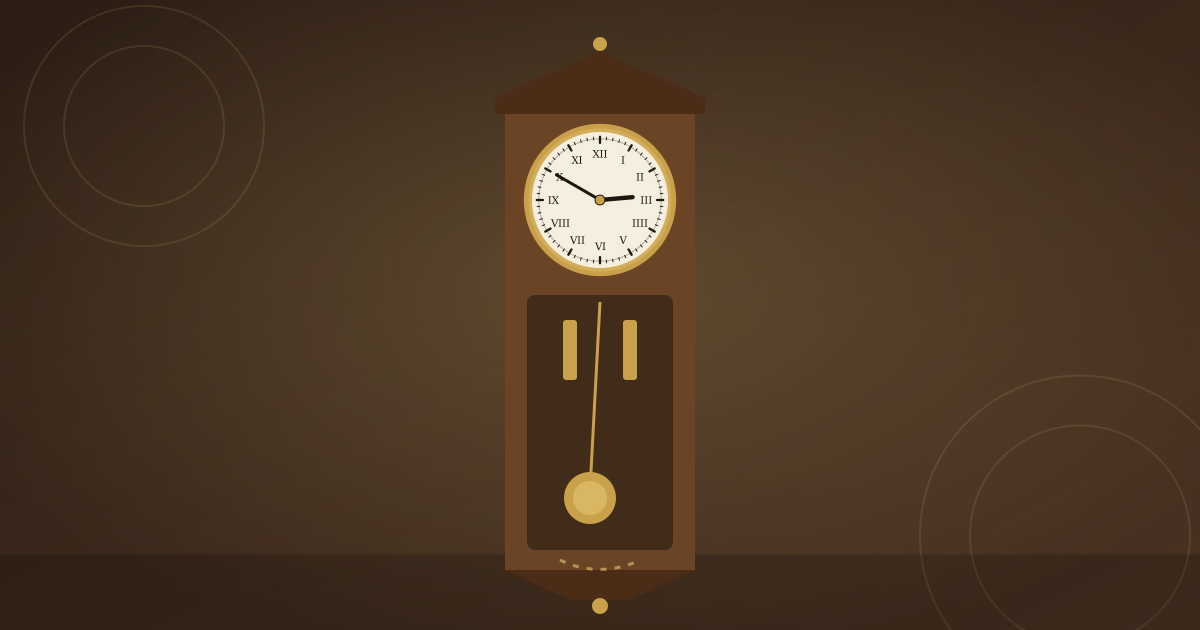
Neither is a bad choice, but a listing should make clear which you’re getting. If you like the idea of a real swinging pendulum, our guide to the pendulum wall clock explains how those movements regulate time.
Wooden Gear Clocks
Wooden gear clocks have become a favourite among makers and hobbyists, partly thanks to laser cutting. Many are sold as kits made from birch plywood or hardwood, and building one is a satisfying weekend or two of work.
What to know before you buy or build:
- They’re weight or spring driven, and often need winding daily or every few days.
- Wood moves with humidity. Dry air from forced-air heating in winter can change how gears mesh. Expect some seasonal tuning.
- They’re not silent. The tick of wooden gears is softer than brass but noticeable.
- Finish matters. A sealed finish helps resist humidity swings.
These clocks suit studies, workshops and living rooms where people will stop and watch them. They’re a natural pick for anyone who enjoys mechanisms.
Artisan and Canadian-Made Wall Clocks
Some of the most unique wall clocks in Canada come from small makers rather than big retailers. Woodworkers, potters, metalworkers and glass artists across the country make clocks in small batches or as one-offs, often using local materials such as maple, walnut, birch or reclaimed barn board.
Where to look:
- Craft fairs and holiday markets. Many cities and towns hold juried craft shows where you can see the work and talk to the maker.
- Artist studios and studio tours. Regional studio tours are a good way to find makers in your province.
- Online maker marketplaces. Search by material and province, and read the maker’s description of the movement and finish.
- Local galleries and gift shops. Some carry a rotating selection of regional craft.
Buying locally has practical benefits beyond supporting makers. You avoid cross-border shipping and possible duties on imports, delivery is faster, and you can often request a custom size or wood species. Ask what movement the clock uses; most artisan clocks use a standard quartz movement, which is easy to replace if it ever fails.
Nautical and Ship’s Bell Clocks
Nautical clocks suit cottages, lake houses and coastal homes, and Canada has plenty of all three. Styles include brass porthole cases, ship’s wheel frames and clocks paired with a barometer or tide indicator.
A true ship’s bell clock strikes on the half hour in the traditional pattern used for watches at sea: one bell at the first half hour, two at the hour, and so on up to eight bells, then the sequence starts again. It’s a distinctive sound and a conversation starter, though it’s worth hearing one before buying if it will hang near a bedroom.
Brass cases tarnish, especially in humid lakeside air. Lacquered brass needs only dusting; unlacquered brass will need occasional polishing.
Map, Travel and Novelty Designs
Map and World Time Clocks
Map clocks use a printed or engraved map as the dial, from a city street grid to a world map. Multi-clock arrangements showing time zones work well in home offices, particularly for anyone who works with colleagues across Canada’s six time zones (Newfoundland’s half-hour offset included).
Word and Flip Clocks
Word clocks spell out the time in a grid of letters (“IT IS HALF PAST TEN”), and flip clocks turn printed cards to show digits. Both suit modern interiors, though most need a power outlet, so plan placement around cords.
Upcycled Clocks
Upcycled clocks turn something old into something useful:
- Vinyl records cut into silhouettes
- Bicycle wheels and gears
- Wine barrel lids and reclaimed wood
- Old vintage plates, tin signs and hubcaps
These pieces are often one of a kind, and they’re easy to make yourself with a quartz movement kit. The main things to get right are the shaft length (it must suit the thickness of your material), hands that are long enough to read but light enough for the movement, and a sturdy hanger on the back. A thin, light face like a record needs only a small keyhole hanger; a heavy barrel lid needs a proper wall anchor.
| Style | Movement | Noise | Best room |
|---|---|---|---|
| Skeleton (mechanical) | Spring or weight | Audible tick | Living room, study |
| Wooden gear | Weight or spring | Soft tick | Study, workshop |
| Artisan | Usually quartz | Varies | Anywhere |
| Ship’s bell | Mechanical or quartz | Strikes half hours | Cottage, den |
| Word or flip | Electric | Quiet | Office, kitchen |
| Upcycled | Quartz | Varies | Kitchen, rec room |
How to Choose a Unique Wall Clock
A statement clock works when it fits the room it’s in. Run through these questions before you buy:
- What’s the wall? A busy gallery wall can swallow a delicate clock; a bare wall can carry something bold. For big walls, our guide to large wall clocks covers sizing and safe mounting.
- Who hears it? Ticking, striking and chiming are charming in the right room and irritating in the wrong one.
- How readable does it need to be? Some designer clocks sacrifice legibility. That’s fine in a hallway, less so in a kitchen.
- Will you wind it? Mechanical clocks need routine attention. Be honest about whether that’s a pleasure or a chore.
- Does it suit the climate? Wood and paper elements react to dry winters, and brass tarnishes in humid air. Keep any clock away from heating vents and direct sun.
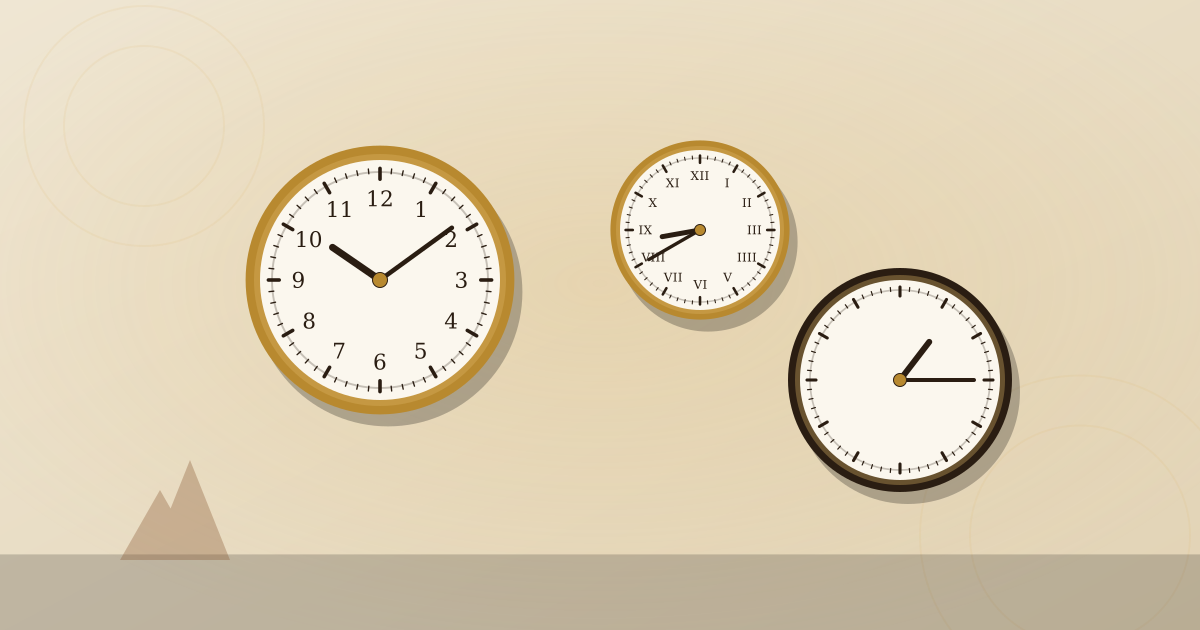
Dial design also shapes the overall feel. Roman numerals lean classic, Arabic numerals feel more casual, and minimalist markers read as modern; our post on the Roman numeral clock looks at that choice in more depth.
Unique Wall Clocks Canada Buyers Should Also Consider
If you want a clock with personality and a bit of theatre, a Black Forest cuckoo is a classic option that many people overlook when they think of unusual wall clocks. Our guide to buying a cuckoo clock in Canada explains how to find a genuine one and get it home safely. For everyday practical options, quartz and radio-controlled clocks remain the simplest choice.
Final Thoughts: Let the Clock Fit the Room
The best statement clock is one you’ll still enjoy in five years. Decide first how much noise, maintenance and legibility you can live with, then look for a design that reflects the room and the people in it. Consider buying from a Canadian maker when you can: you’ll often get a better story, local materials and fewer shipping headaches. Whether it’s exposed gears, a ship’s bell or an old record on the wall, a unique clock should make you glance up for more than just the time.
Frequently Asked Questions
Are wooden gear clocks accurate?
They can keep reasonable time, but expect them to need more adjustment than a quartz clock. Wood responds to humidity, so a wooden gear clock may run differently in a dry Canadian winter than in a humid summer. Treat accuracy as a pleasant extra and enjoy the movement.
Can I turn an old object into a clock myself?
Yes, it's one of the easiest craft projects to start. Quartz clock movement kits with hands are widely available; you need a hole in the right place and a face no thicker than the movement's shaft allows. Measure the thickness of your material before ordering the kit.
What's the difference between a skeleton clock and an open-frame clock?
A skeleton clock shows its actual movement, with the gears and escapement visible through a cut-away or absent dial. An open-frame clock simply mounts numerals and hands directly to the wall, with a small quartz movement hidden at the centre. Both feel light and airy, but only one shows real clockwork.
How do I make sure an artisan clock will last?
Ask the maker which movement they use and whether it can be replaced if it fails. Check that the finish is sealed, especially on wood, and that the hanging hardware suits the clock's weight. A good maker will happily answer these questions.